
What is Chiari Malformation?
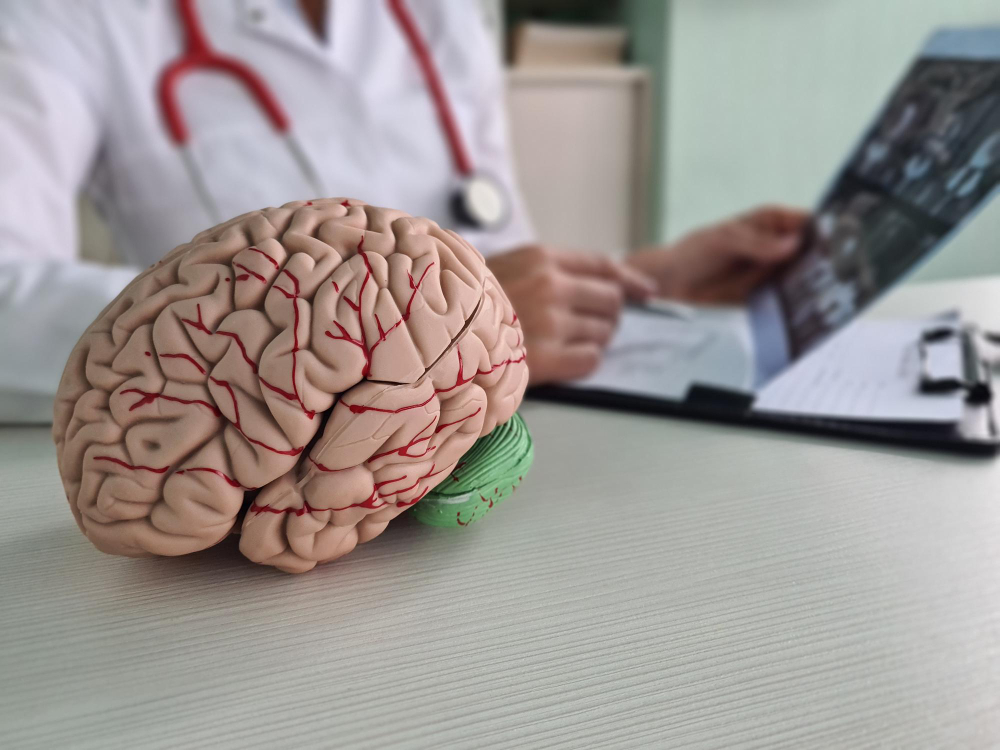
Chiari Malformation is a condition where part of the brain, called the cerebellum, extends into the spinal canal. Usually, this area should stay inside the skull. However, in Chiari Malformation, it pushes down, which can cause problems. This condition can affect people of all ages. Although some people have no symptoms, others may notice changes in how they feel. According to the National Institutes of Health, Chiari Malformation is rare, but it is important to know its signs and treatment options.
Types of Chiari Malformation
There are several types of Chiari Malformation. Each type affects the brain and spine in different ways. Knowing the types of Chiari Malformation helps doctors choose the right treatment.
Common Symptoms
Many people with Chiari Malformation do not have symptoms. However, some may notice changes as the condition affects the brain and spine. Early signs can help with faster diagnosis and treatment.
Sometimes, symptoms get worse when coughing, sneezing, or straining. If you notice these signs, it is important to talk to a doctor.
Causes and Risk Factors
Chiari Malformation can be present at birth or develop later. Most cases are due to the skull being too small or shaped differently. This leaves less space for the brain. As a result, the cerebellum is pushed down. In rare cases, injury, infection, or fluid buildup in the brain can cause it.
Risk factors include:
Although anyone can have Chiari Malformation, some people are more likely to develop it due to these factors.
How Chiari Malformation is Diagnosed
Doctors use several steps to diagnose Chiari Malformation. First, they ask about symptoms and medical history. Next, they perform a physical exam. If they suspect Chiari Malformation, they may order imaging tests.
Early diagnosis can help prevent complications. Therefore, it is important to see a doctor if you have symptoms.
Treatment Options
Treatment for Chiari Malformation depends on the type and severity. Some people need only regular check-ups. Others may need medicine or surgery. Your doctor will discuss the best Chiari Malformation treatment options for you.
After treatment, many people feel better. However, some symptoms may remain. Always follow your doctor’s advice for the best results.
Living with Chiari Malformation: Lifestyle Tips
Living with Chiari Malformation can be challenging. However, many people lead full lives with the right care. Here are some tips to help manage daily life:
With these steps, you can improve your quality of life. Always talk to your doctor before making changes to your routine.
Prevention and Early Detection
Currently, there is no sure way to prevent Chiari Malformation. Most cases are present at birth. However, early detection can help manage symptoms and prevent complications. Regular check-ups and imaging tests are important if you have risk factors. If you notice new symptoms, see your doctor right away. Early care can make a big difference.
When to See a Doctor
If you have ongoing headaches, neck pain, or balance problems, it is important to seek medical advice. Also, if you have trouble swallowing, speaking, or notice weakness, see a doctor soon. Early diagnosis and treatment can help prevent serious problems. Do not wait if you are worried about your symptoms.
Consult a neurologist or neurosurgeon for personalized advice on Chiari Malformation.