
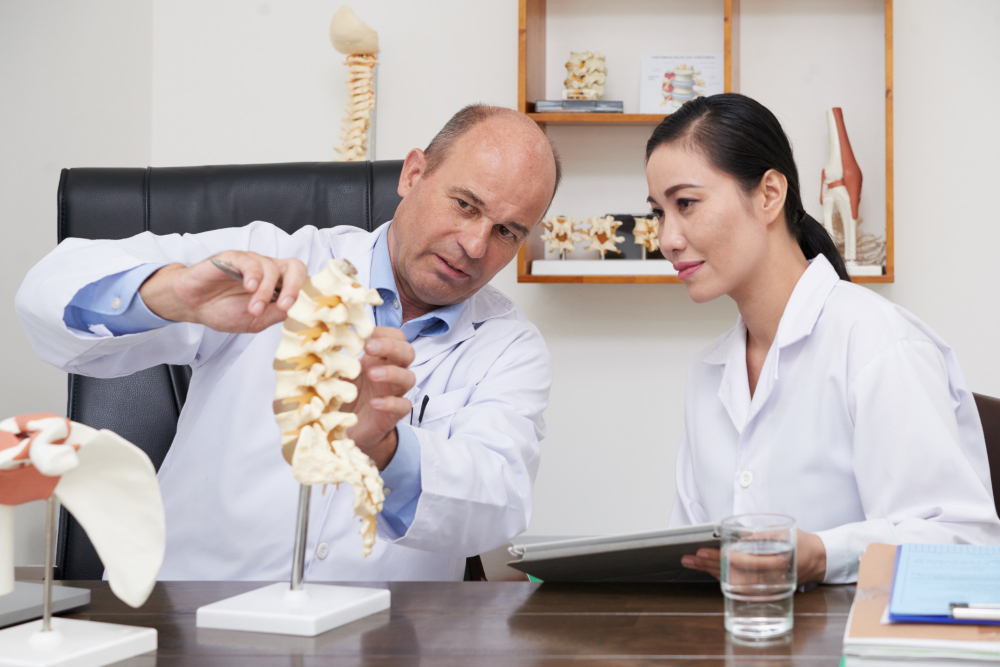
What Are Spinal Discs?
Spinal discs are soft, cushion-like pads found between the bones in your spine. These bones are called vertebrae. Each disc has a tough outer layer and a soft, jelly-like center. Because of this design, spinal discs can absorb shock and help your spine move smoothly. The spine has many discs, and they play a big part in your daily movements.
The Function of Spinal Discs in Movement
Spinal discs have several important jobs. First, they act as shock absorbers. This means they protect your spine when you walk, run, or jump. Second, they help your spine bend and twist. Without healthy discs, moving your back would be hard and painful. In addition, spinal discs keep the bones in your spine from rubbing against each other. As a result, they help you move with ease and comfort.
Common Issues Affecting Spinal Discs
Sometimes, spinal discs can develop problems. These issues can cause pain and limit movement. Some common spinal disc problems include:
Because these problems can affect your daily life, it is important to know the signs.
Symptoms of Spinal Disc Problems
Spinal disc problems can cause many symptoms. However, not everyone feels the same signs. Common symptoms include:
If you notice these symptoms, you should seek medical help. Early care can prevent more serious problems.
Diagnosis Methods for Spinal Disc Issues
Doctors use several ways to find out if you have a spinal disc problem. First, they will ask about your symptoms and check your back. Next, they may order tests such as:
Because these tests help find the exact problem, your doctor can choose the best treatment.
Treatment Options for Spinal Disc Problems
Treatment depends on the type and severity of your spinal disc issue. Most people get better with simple steps. Common treatments include:
In some cases, surgery may be needed. For example, if pain does not improve or if nerves are at risk, doctors may suggest surgery. However, most people do not need surgery.
Prevention and Tips for Spinal Disc Health
Keeping your spinal discs healthy is important for movement and comfort. Here are some tips to protect your spine:
Because small changes can make a big difference, try to follow these tips every day.
When to Consult a Neurologist or Neurosurgeon
If you have back pain that does not go away, or if you notice numbness, weakness, or trouble walking, you should see a specialist. Neurologists and neurosurgeons are experts in spinal disc care. They can help find the cause of your symptoms and suggest the best treatment. Early care can prevent long-term problems.
Conclusion
Spinal discs and their role in your movement are vital for daily life. Healthy discs help you move, bend, and stay active. If you have symptoms of spinal disc problems, do not wait. Consult a neurologist or neurosurgeon for personalized advice on spinal disc health.