
Introduction
Subarachnoid hemorrhage is a serious type of brain bleed. It happens when blood leaks into the space around the brain. This condition is a neurological emergency and needs quick medical care. In neurology and neurosurgery, subarachnoid hemorrhage is important because it can lead to stroke or even death. Early treatment can save lives and prevent long-term problems. In this blog, you will learn about its symptoms, causes, diagnosis, treatment, and ways to prevent it.
What is Subarachnoid Hemorrhage?
Subarachnoid hemorrhage means bleeding in the area between the brain and the thin tissues covering it. This space is called the subarachnoid space. When a blood vessel bursts, blood fills this space. Often, a ruptured aneurysm causes this brain bleed. An aneurysm is a weak spot in a blood vessel wall. Sometimes, trauma or injury can also lead to this condition. Because the brain is very sensitive, even a small amount of bleeding can be dangerous.
Symptoms of Subarachnoid Hemorrhage
Symptoms of subarachnoid hemorrhage usually appear suddenly. For many people, the first sign is a severe headache. This headache is often described as the “worst headache of my life.” However, other symptoms can also occur. Watch for these warning signs:
Because these symptoms can be life-threatening, it is important to seek help right away.
Causes and Risk Factors
Most subarachnoid hemorrhages are caused by a ruptured aneurysm. However, other causes include head injury, bleeding disorders, or use of blood thinners. Some people are at higher risk than others. Key risk factors include:
Although anyone can be affected, knowing your risk can help you take steps to prevent it.
How is Subarachnoid Hemorrhage Diagnosed?
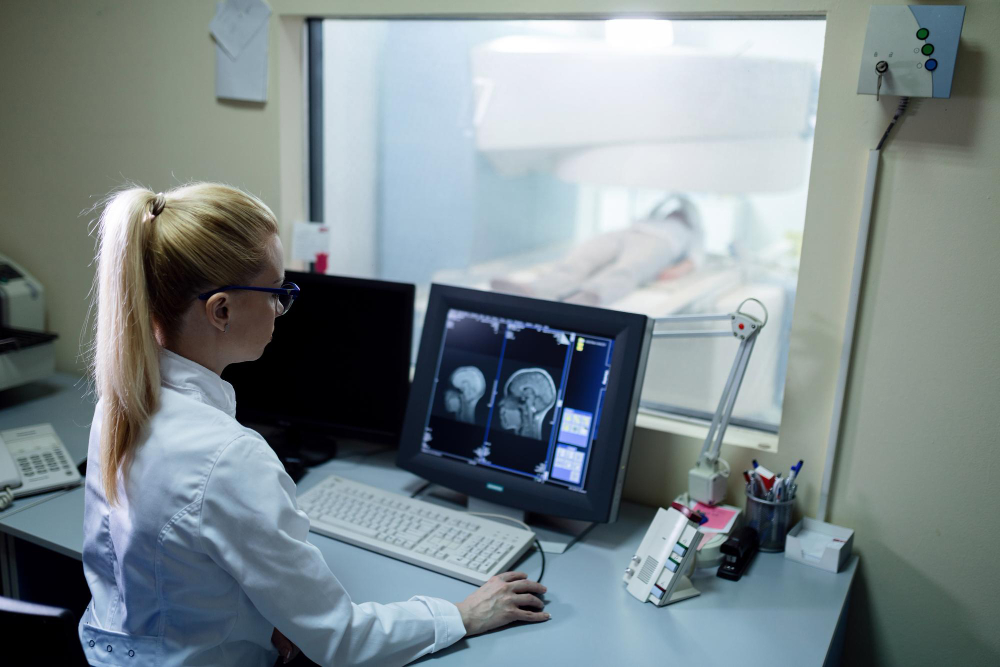
Doctors use several tests to diagnose subarachnoid hemorrhage. First, they ask about symptoms and do a physical exam. Next, they may order a brain scan, such as a CT scan or MRI. These tests show if there is bleeding in the brain. Sometimes, a lumbar puncture (spinal tap) is needed. This test checks for blood in the fluid around the brain and spine. Early diagnosis is important for the best outcome.
Treatment Options
Treatment for subarachnoid hemorrhage starts in the hospital. The main goals are to stop the bleeding, prevent more damage, and treat any problems. Common treatments include:
After the initial treatment, rehabilitation may help with recovery. This can include physical therapy, speech therapy, or occupational therapy.
Prevention Tips and Lifestyle Guidance
Although not all cases can be prevented, you can lower your risk. Try these healthy habits:
Because family history can play a role, talk to your doctor if you have relatives with brain aneurysms.
When to Seek Medical Help
If you or someone you know has a sudden, severe headache or other symptoms listed above, seek emergency care right away. Quick treatment can prevent serious problems or death. Do not wait to see if symptoms improve. Early action saves lives.
Conclusion
Subarachnoid hemorrhage is a life-threatening brain bleed that needs fast medical attention. If you or someone you know experiences symptoms of subarachnoid hemorrhage, consult a neurologist or neurosurgeon immediately for expert care.