What is GBS Rehabilitation?
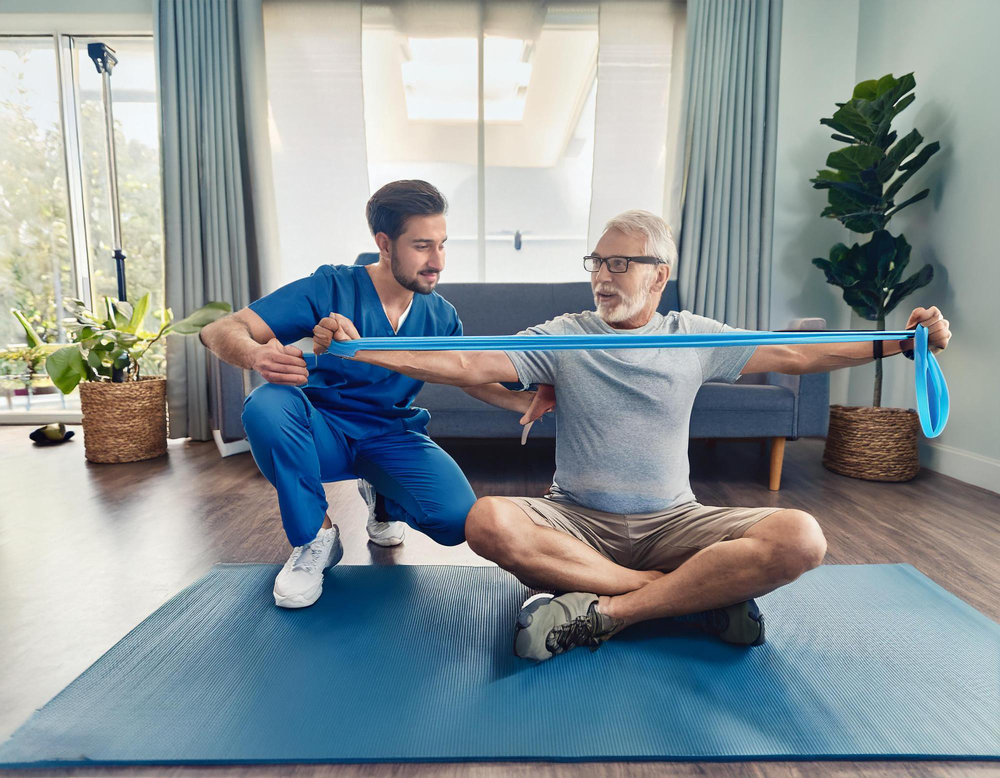
GBS Rehabilitation is a set of treatments that help people recover after Guillain-Barré Syndrome (GBS). GBS is a rare nerve disorder that can cause weakness, numbness, or even paralysis. Because GBS affects the nerves, many people need special care to regain strength and movement. Rehabilitation after GBS includes physical therapy, occupational therapy, and other support. In fact, GBS rehabilitation helps patients return to daily activities and improve their quality of life. For many, this journey is called Guillain-Barré Syndrome recovery.
Why is Rehabilitation Important After GBS?
After GBS, nerves and muscles may take time to heal. Therefore, rehabilitation is important to help the body recover. Without proper therapy, some people may have lasting weakness or trouble moving. In addition, GBS rehabilitation can prevent problems like stiff joints or muscle loss. Early and regular therapy gives the best chance for a full recovery. According to the CDC, most people with GBS improve with the right care.
Key Components of GBS Rehabilitation
GBS rehabilitation uses many methods to help patients regain strength and function. Each person’s plan may be different. However, most programs include:
Moreover, some patients may use special equipment, such as walkers or braces, during recovery. GBS recovery exercises are often gentle at first and become harder as strength returns.
Common Challenges and How to Overcome Them
Recovering from GBS can be tough. Yet, knowing the challenges can help you prepare. Some common problems include:
But there are ways to overcome these issues. For example, regular rest breaks can help with tiredness. Gentle stretching may ease pain. In addition, talking to a counselor can support your mental health. Always follow your therapist’s advice for the best results.
Tips for Patients and Families
Recovery is easier with support. Here are some tips for patients and their loved ones:
Above all, patience is key. Recovery after GBS can take weeks or months, but steady effort helps.
Prevention of Complications During Recovery
While recovering, it is important to prevent problems. For instance, staying active can stop muscles from getting stiff. In addition, changing positions often helps prevent bedsores. Some other tips include:
Furthermore, regular check-ups with your doctor can catch issues early. Many GBS rehabilitation centers offer extra support for these needs.
When to Seek Specialist Help
Sometimes, extra help is needed. You should contact a specialist if you notice:
Additionally, if you feel stuck or unsure about your progress, a neurology or rehabilitation expert can guide you. Many cities have GBS rehabilitation centers with trained staff.
In summary, GBS rehabilitation is a vital part of Guillain-Barré Syndrome recovery. With the right support, most people regain strength and independence. Consult a neurology specialist or rehabilitation expert for personalized guidance on GBS recovery.