
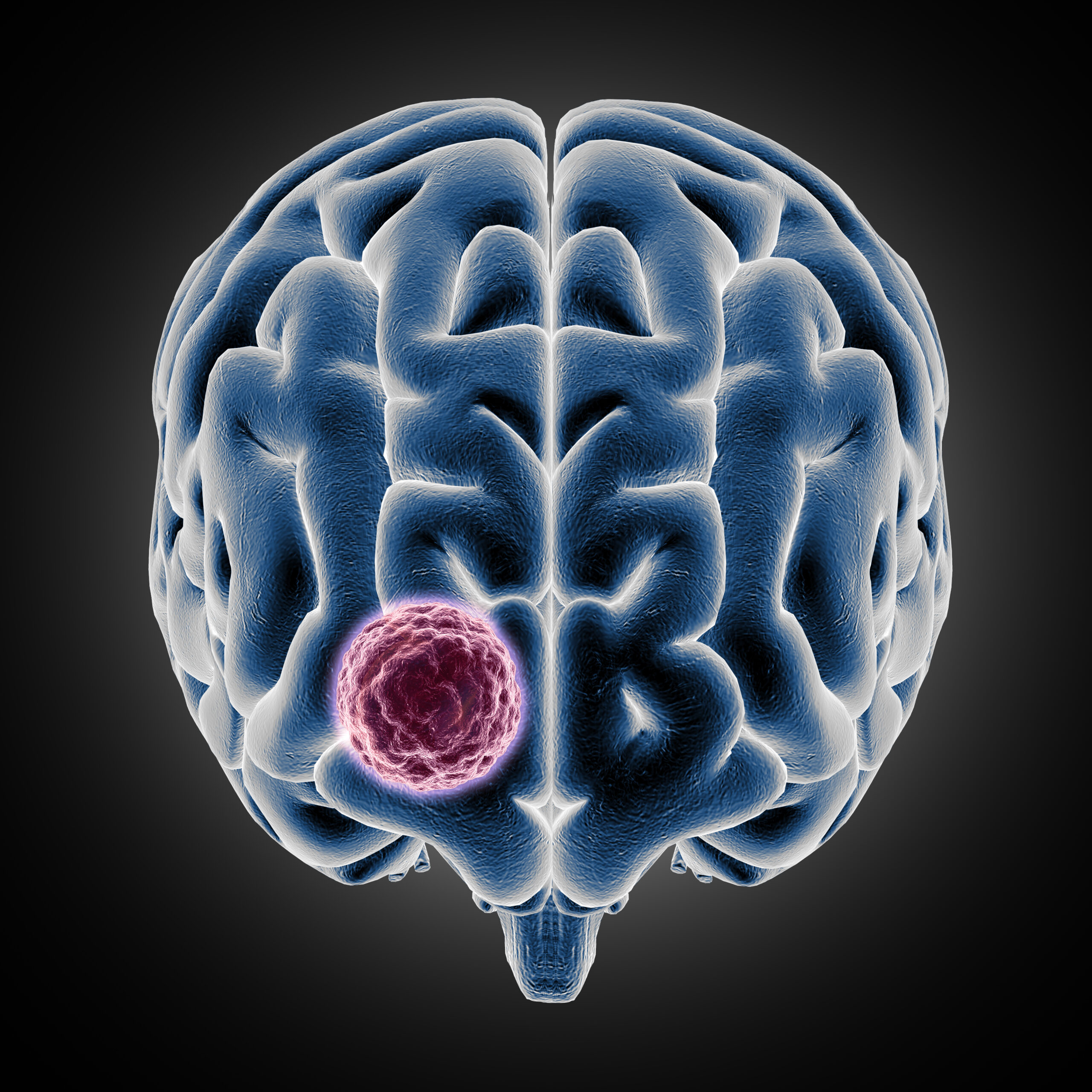
What Are Brain Tumors?
Brain tumors are growths of abnormal cells in the brain. These growths can be either non-cancerous (benign) or cancerous (malignant). Because the brain controls many body functions, even a small tumor can cause problems. Some brain tumors start in the brain, while others spread from other parts of the body. According to the World Health Organization (WHO), brain tumors can affect people of any age. However, some types are more common in children or older adults. Understanding brain tumors helps people notice symptoms early and seek help.
Common Symptoms of Brain Tumors
Brain tumors can cause many different symptoms. Often, these signs depend on the tumor’s size and location. For example, a tumor pressing on certain brain areas may affect movement or speech. Early signs of brain tumor can be mild, but they may get worse over time. Watch for these common symptoms:
However, these symptoms can also be caused by other health issues. If you notice any of these signs, talk to a doctor soon.
Causes and Risk Factors
Doctors do not always know what causes brain tumors. Still, some factors may raise the risk. For instance, exposure to high doses of radiation can increase the chance of developing a brain tumor. In addition, family history may play a role in some cases. Here are some known risk factors:
But for most people, there is no clear cause. Therefore, it is important to focus on early detection and healthy habits.
How Brain Tumors Are Diagnosed
Early brain tumor diagnosis can improve treatment results. If a doctor suspects a brain tumor, they will ask about your symptoms and medical history. Next, they may do a physical exam and check your nerves. To confirm the diagnosis, doctors often use imaging tests. These tests include:
Sometimes, doctors may need to take a small sample of the tumor (biopsy) to check if it is cancerous. Blood tests and other exams may also help rule out other causes.
Treatment Options for Brain Tumors
Brain tumor treatment options depend on the tumor’s type, size, and location. The patient’s age and overall health also matter. Common treatments include:
Sometimes, doctors use a mix of these treatments. Newer methods, such as immunotherapy, are being studied. Your care team will explain the best plan for you.
Lifestyle Guidance and Coping Strategies
Living with a brain tumor can be challenging. However, many people find ways to cope and stay positive. Here are some helpful tips:
Remember, you do not have to face this alone. Support is available for both patients and families.
Prevention and Early Detection Tips
While most brain tumors cannot be prevented, you can take steps to lower your risk. For example, avoid unnecessary exposure to radiation. Wear protective gear if you work with chemicals. In addition, knowing the signs of brain tumor can help you seek care early. Here are some tips:
Early detection can lead to better outcomes. Therefore, stay alert to changes in your health.
For more information, visit trusted sources like the CDC or WHO. Consult a neurologist or neurosurgeon for personalized advice on brain tumors.